
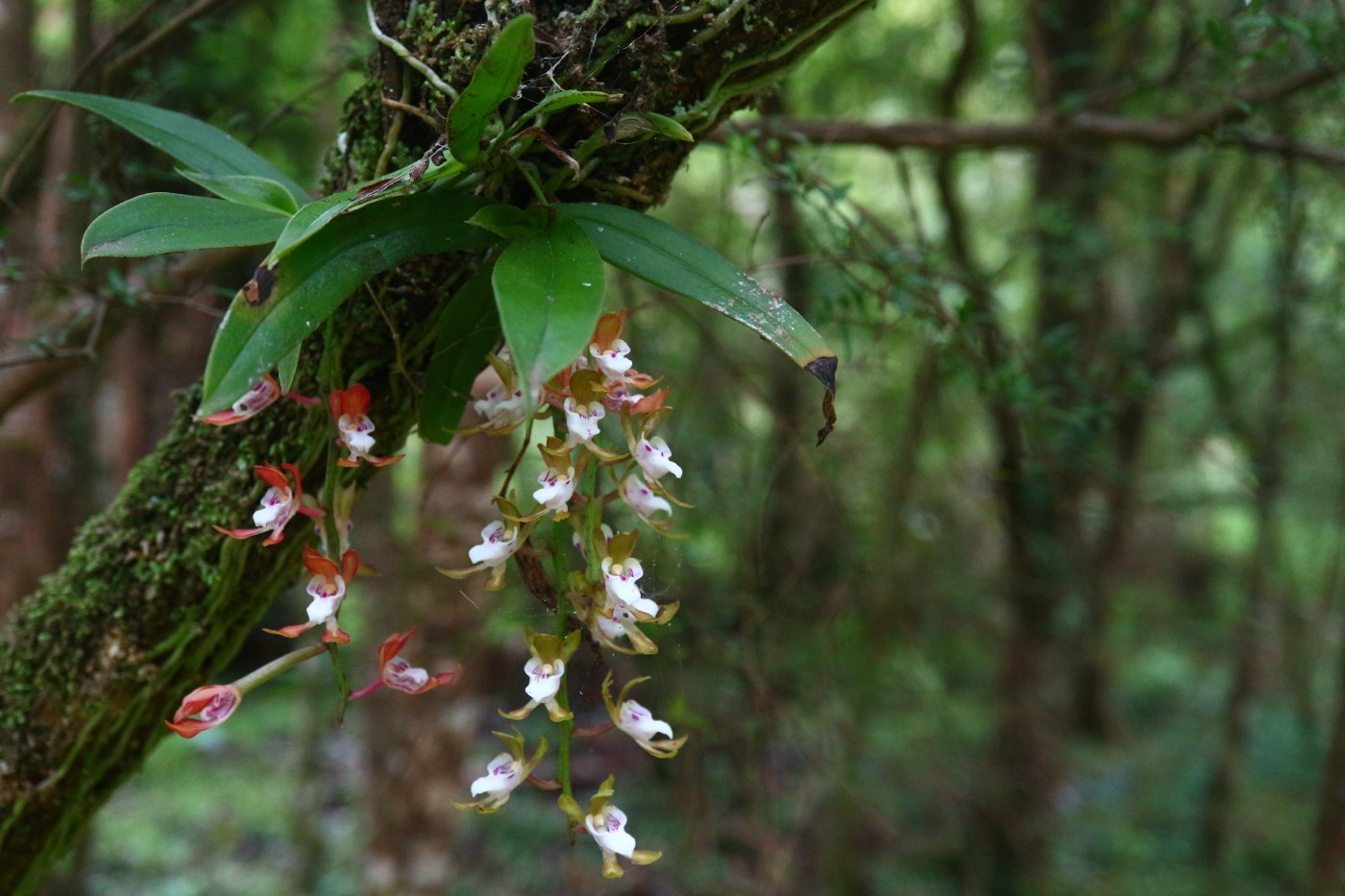
“We’ve been coming here for thirty years now”, some hikers tell me, “and we’ve never seen so few orchids.” Once abundant in this small patch of heritage forest, the Butterfly Orchids are today hard to spot among the Strzelecki scrub.
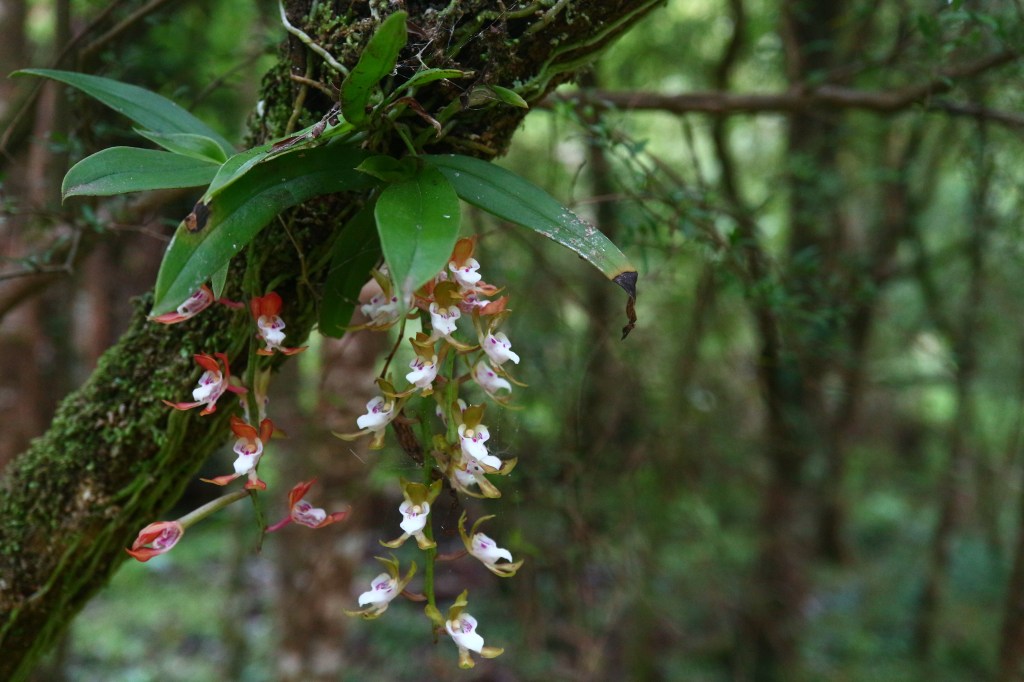
The scientists may have hunches, but whatever the cause – whether the changing climates, scorched-earth bushfires or degrading bushland – it may be all too late to save this relic of the ancient landscape.

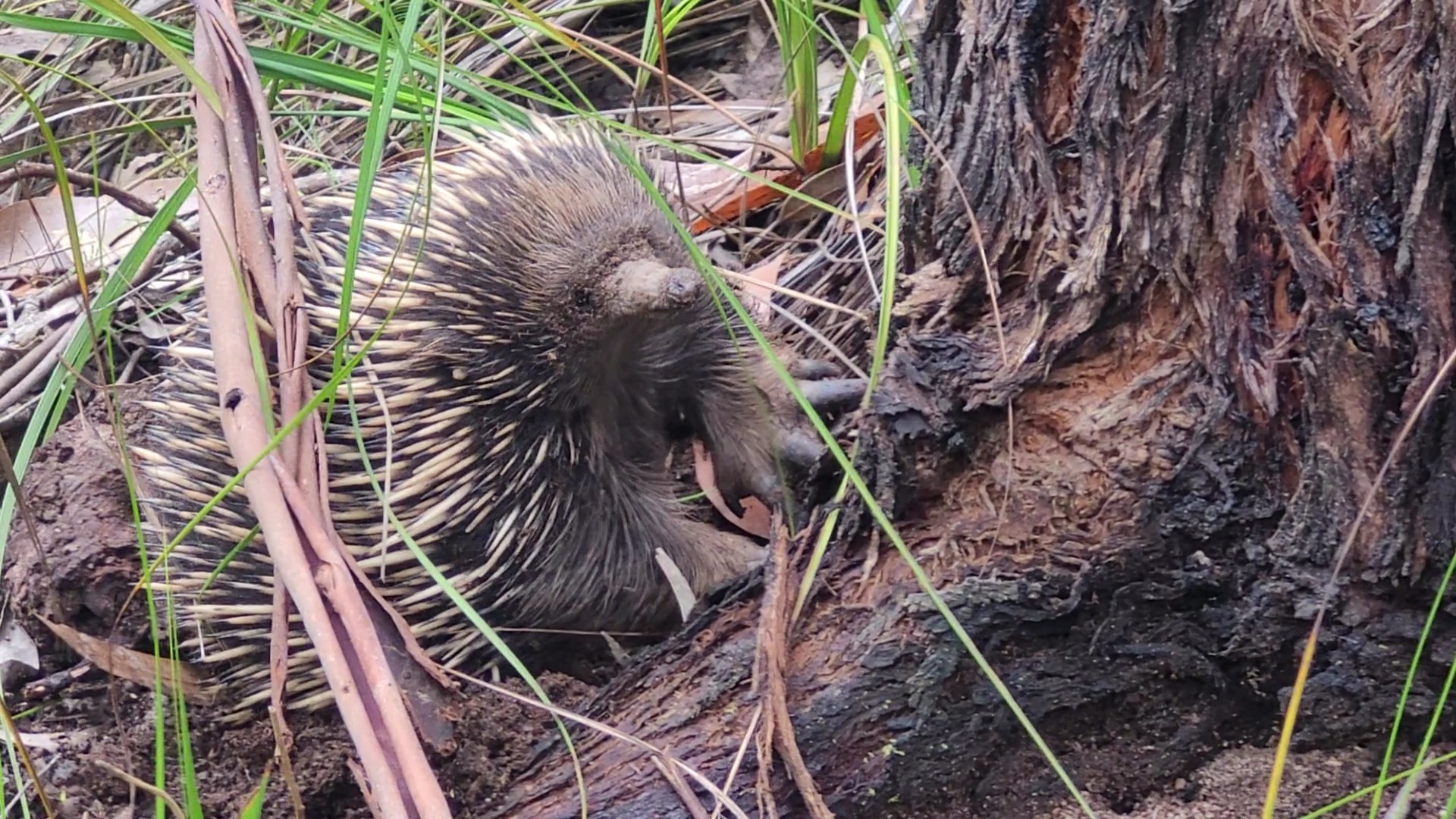
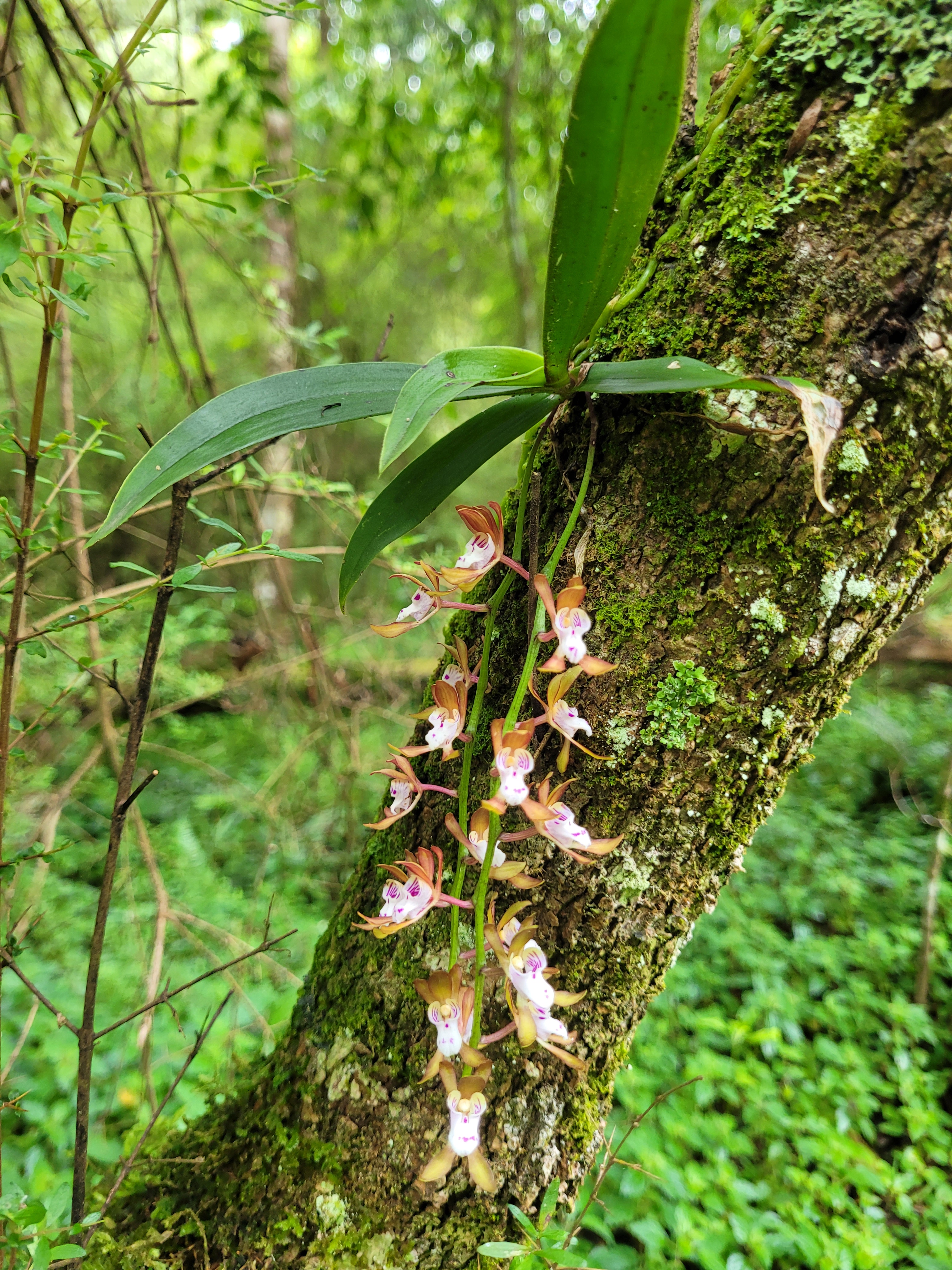
Above (L-R): Common fringe-lily (Thysanotus tuberosus), Short-beaked echidna, and the Butterfly Orchid.
The Butterfly Orchid, or sarcochilus australis, is one of 43 orchid species that have been found here – and she is among the rarest of them all. Spotted flowering in the first week of December, the Butterfly Orchid lowers a basket of flowers from her host, which the epiphyte grasps with her creeping tendrils, covering a single tree in as many as tens of these orchids.

Local naturalists who lived nearby were so enamored with the little flowers that they began advocating to protect the forest from timber harvesting and encroaching farmland. We can thank Mrs Ellen Lyndon in particular for her efforts throughout the 1960s to draw attention to the rare beauty, with her letters campaign culminating in a 1967 declaration of Morwell National Park to safeguard this garden of orchids.


Its survival this far into the anthropocene is impressive in itself, though from here the Butterfly Orchid can no longer rely on its delicate adaptations to Australia’s formerly cool and wet South Eastern Highlands. To continue blossoming, the orchids of the Strzelecki ranges will need a new generation of Mrs Ellen Lyndons, all working and writing to carry on her unique legacy into another century.


 Lives and Times
Leave a comment