
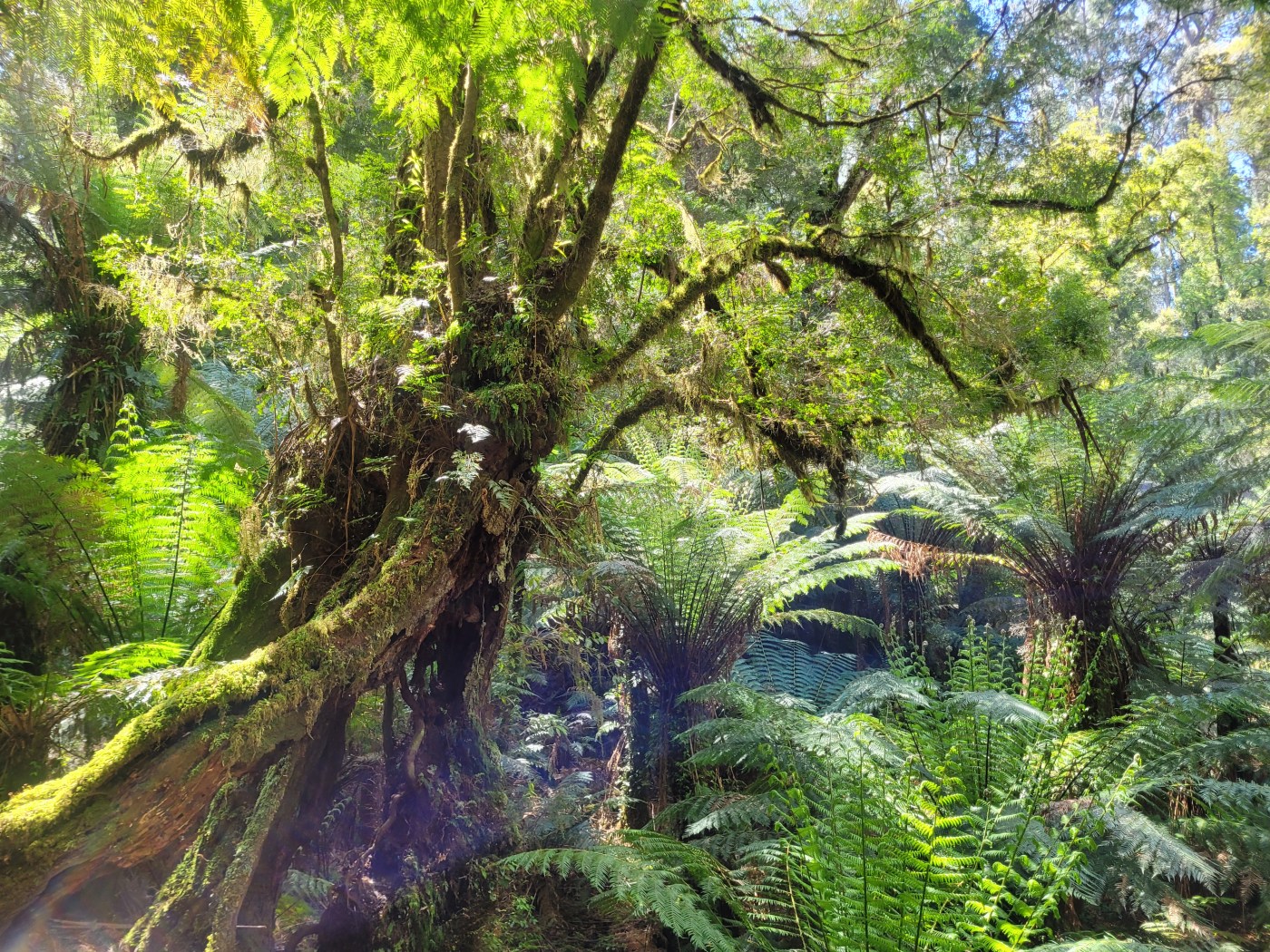
For more than one hundred million years, the colossal Myrtle Beech has stood tall against a changing world. Despite ice ages, continental drift and man, these giants have survived in the remote corners of Australia’s highlands, sustaining an ecological link to Earth’s ancient past.
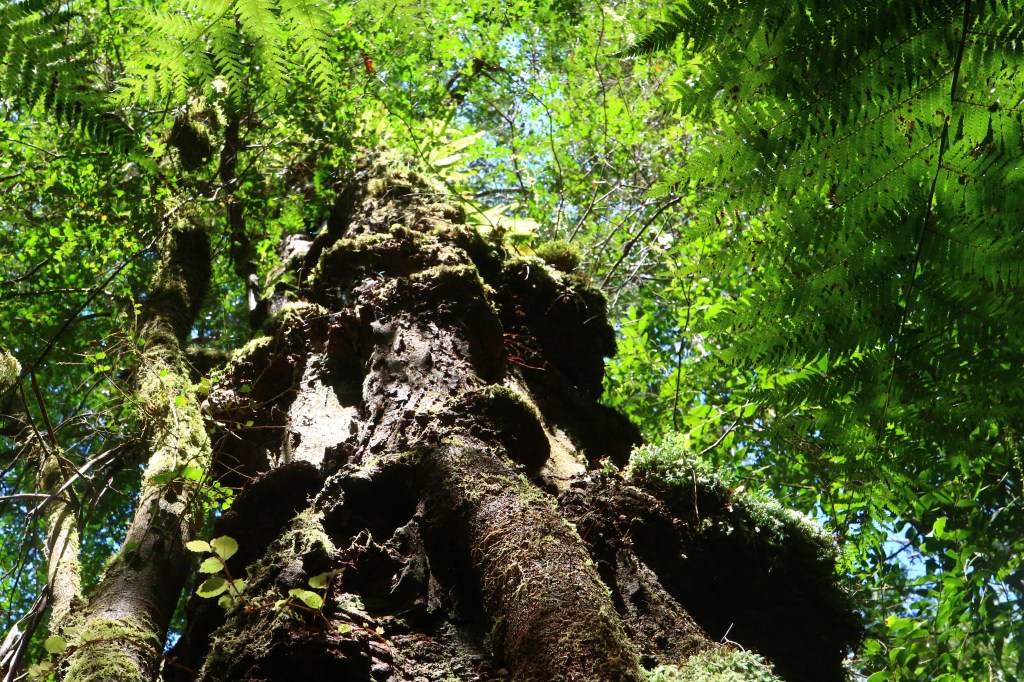

The Myrtle Beech (nothofagus cunninghamii) is one of three living relics of the antediluvian rainforests of Gondwana. The nothofagus cousins – Myrtle Beech, Antarctic Beech, and Deciduous Beech – can each be found scattered across Australia’s eastern seaboard, holding out against fire and forestry in redoubts like Tarra Bulga National Park and the Barrington Tops National Park.

The Myrtle Beech of Tarra Bulga National Park may have stood here for more than one thousand years. As their limbs break and trunks decay over the centuries, they send forth fresh shoots to continue their life, eventually forming the broad, gnarled giants that stand today.


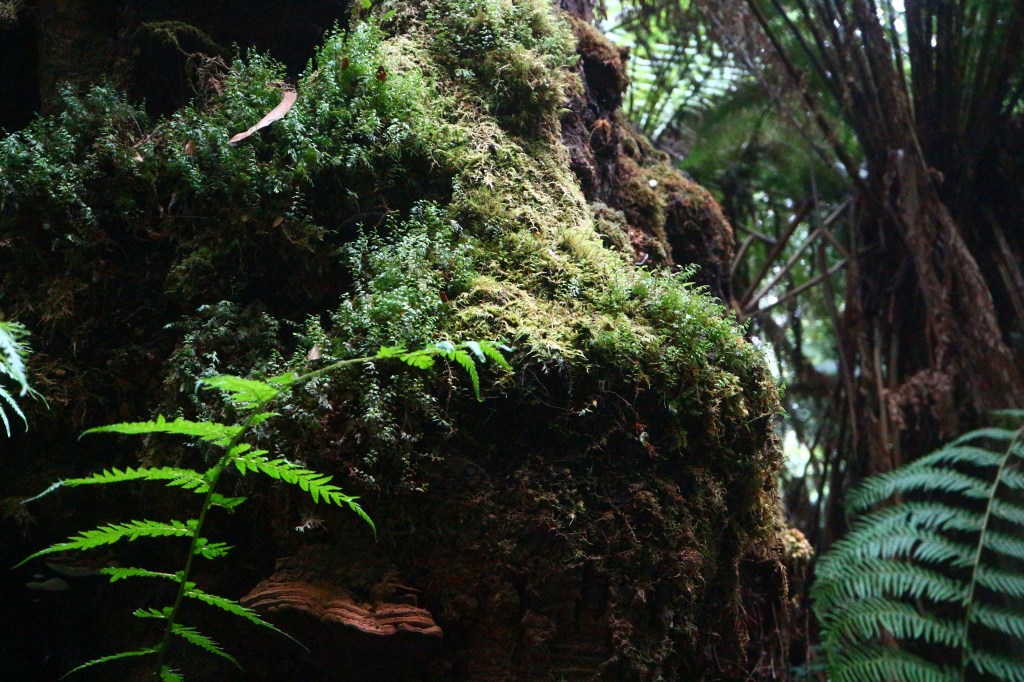
Above centre: a Myrtle Orange (Cyttaria gunnii) symbiotic fungus growing on a Myrtle Beech at Tarra Bulga National Park.
It’s hard to think that a lifeform that sustains itself for more than a millennium doesn’t have some form of consciousness of itself and the world.
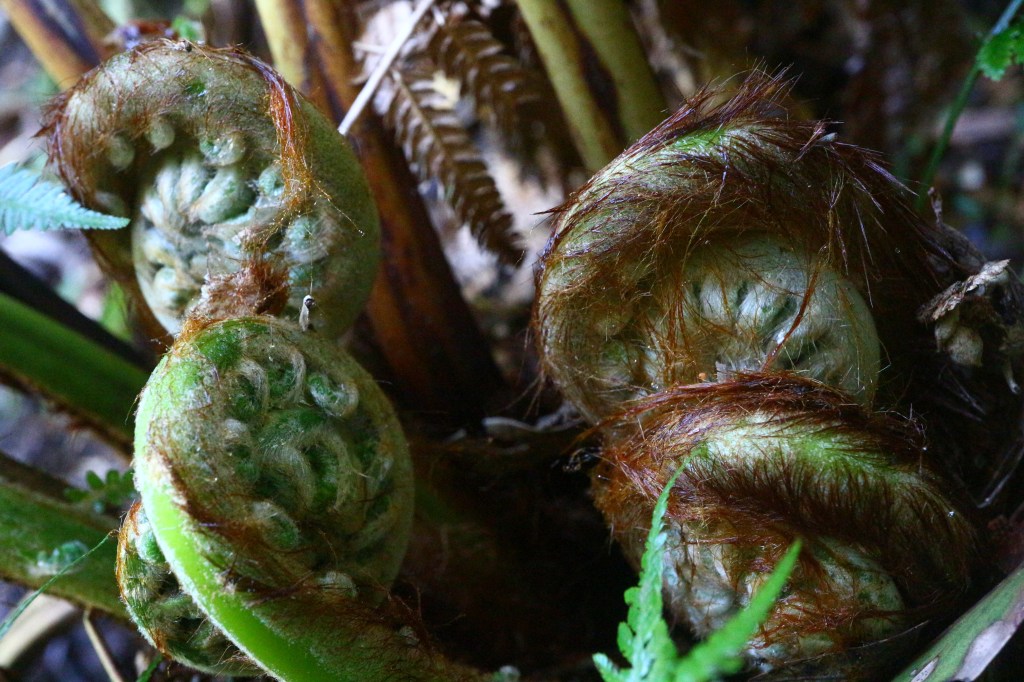
Perhaps, like J.R.R Tolkien’s Treebeard, these Myrtle Beech would say: “The world is changing: I feel it in the water, I feel it in the earth, and I smell it in the air…”

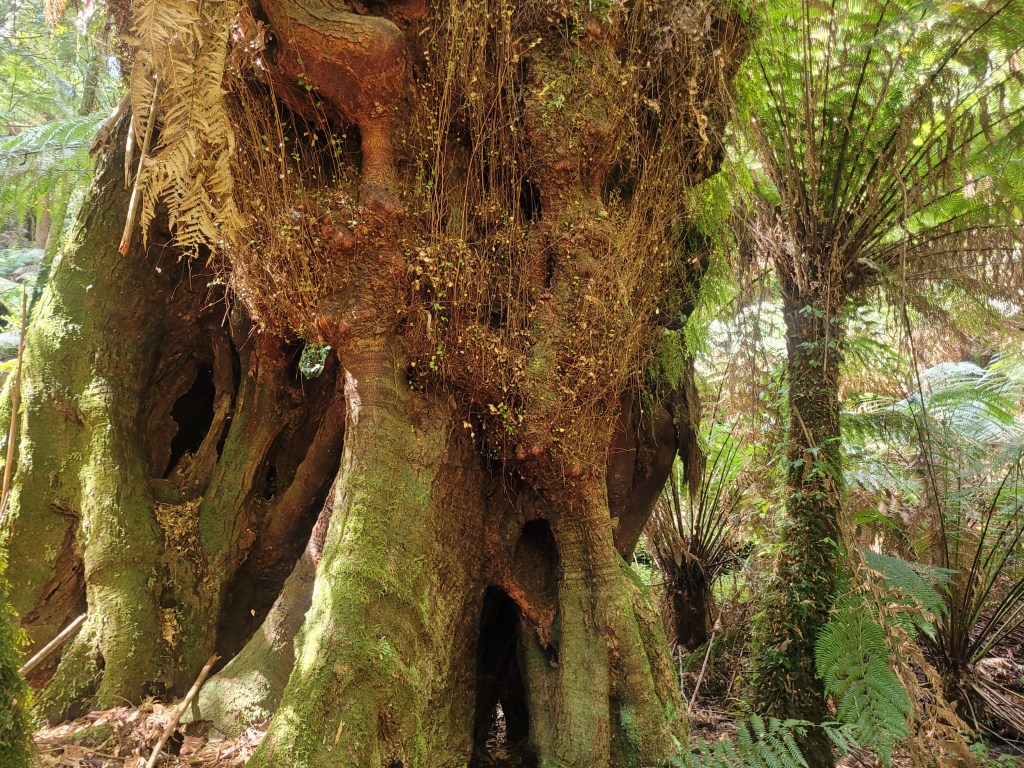
And like Treebeard, they might reminisce on their youth in the age of Gondwana: “Those were the broad days! Time was when I could walk and sing all day and hear no more than the echo of my own voice in the hollow hills. The woods were like the woods of Lothlórien, only thicker, stronger, younger. And the smell of the air! I used to spend a week just breathing.”


 Lives and Times
Leave a comment