

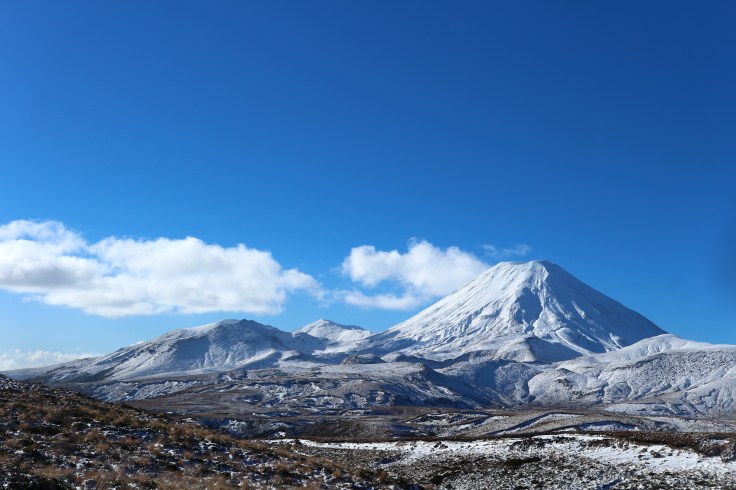
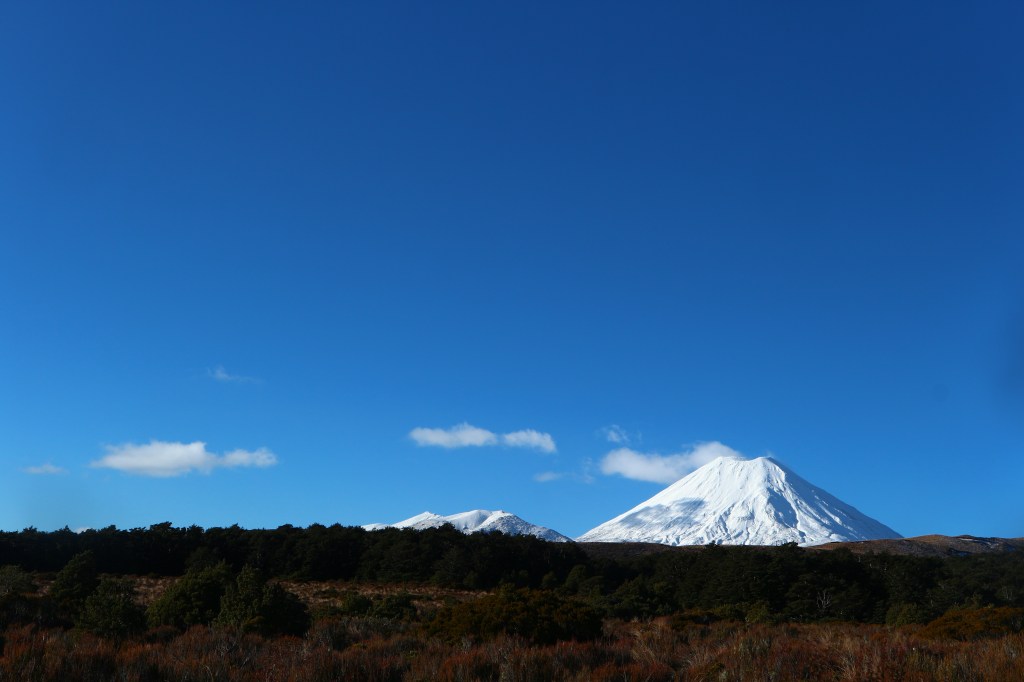
No matter how many times you look at Mount Tongariro, you feel the same awe when first seeing it emerge from the white. Its snow-swept sides, its changing colours throughout the day, its valleys carved from ancient glaciers and its twelve cones blasted through the earth’s crust over millennia, together paint a landscape of immense beauty.

The mega-volcano towers over New Zealand’s north island at 1,978 metres, clashing with the ocean winds to create its climate of constant rain, freezing air, and blizzards of white ice and snow.
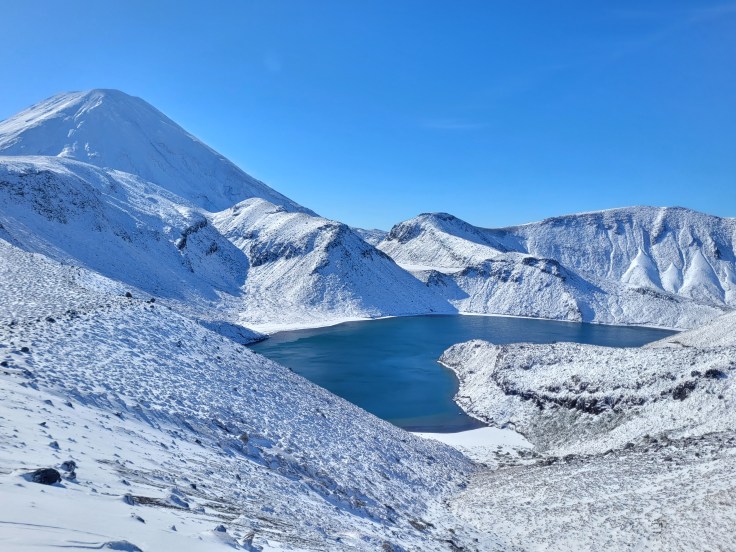
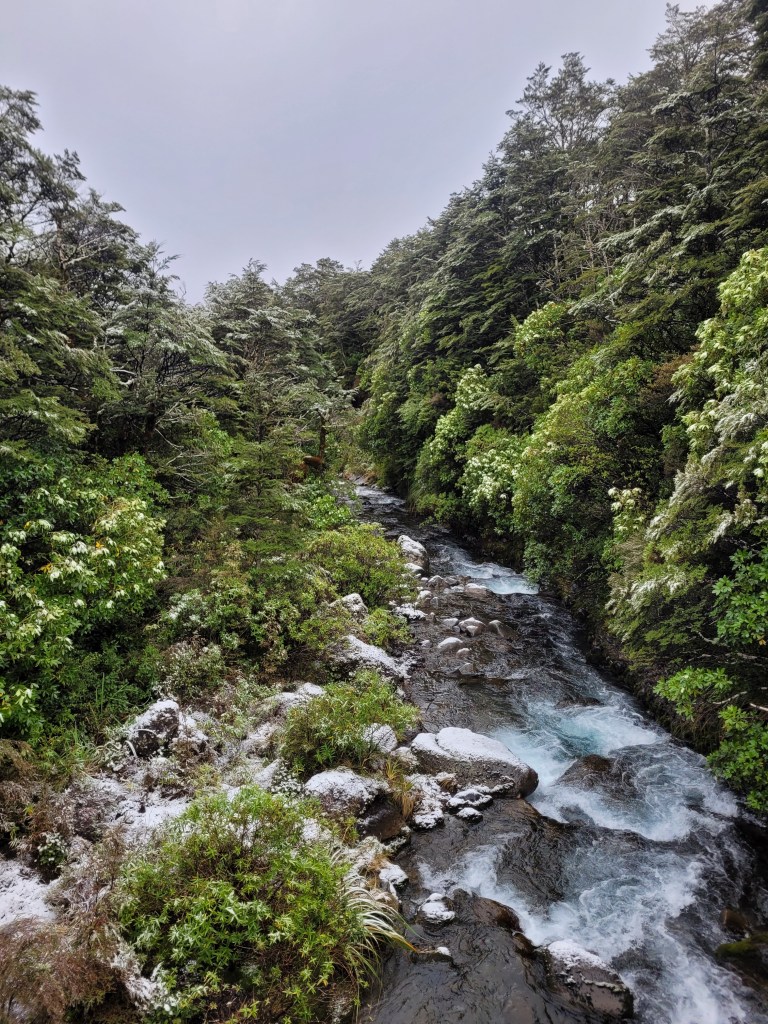
Below the mountain peaks, there are temperate forests of mountain beech, lava landscapes cut into cliffs and gorges, and swamps and streams fed by the mountain run off.

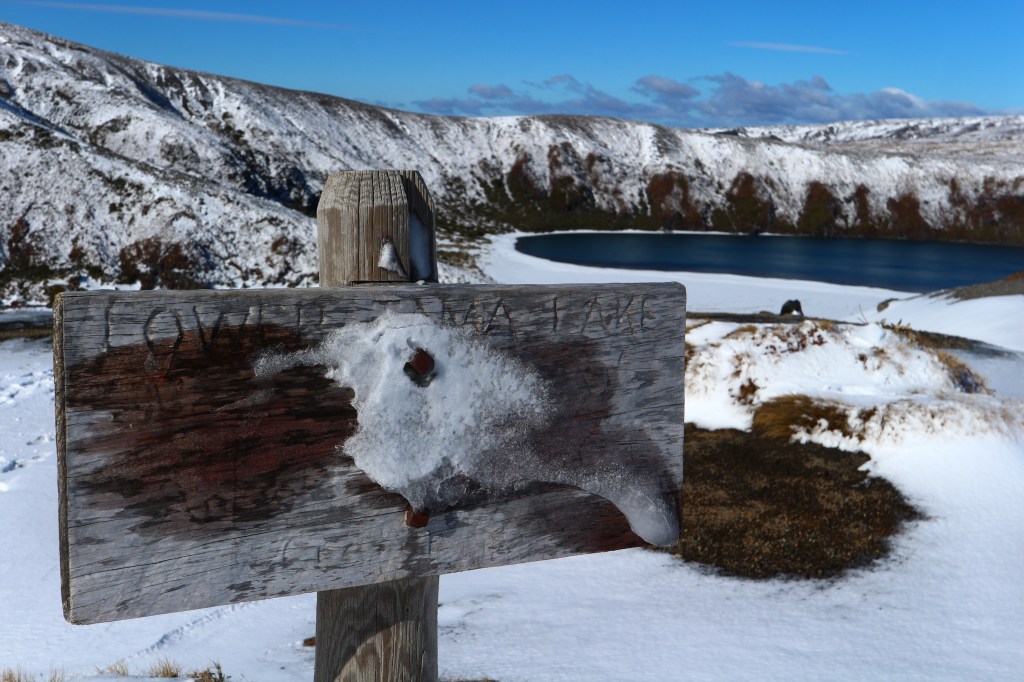
To shelter hikers from the volcano’s fierce moods, the NZ Department of Conservation has built a series of huts along the mountain sides. With firewood, fresh water, bunks and light, New Zealand’s 950 ‘backcountry huts’ make the country an incredibly welcoming and affordable destination for the hiker. Tucked beneath the peak of Ngauruhoe, you can find what is surely one of the most impressive huts of the island; Mangatepopo Hut. Sleeping at Mangatepopo, you can almost hear the mountain breathe at night as the winds sweep up its face.


The landscape here has been changing for millennia, the volcanic cataclysms etched into Maori stories like the Battle of the Mountains, which tells of the romances and rivalries between these peaks of the North Island and hints at their explosive origins. In this war over the mountains’ lover, Mount Pihanga, the mighty Tongariro emerged the victor, sending the defeated Mount Taranaki away to the sea.

As recently as 2012, Mount Tongariro erupted into a plume of smoke and ash, sending hikers scuttling down its sides, reminding us who reigns supreme over these lands: Tongariro the powerful , Tongariro the sublime.


 Lives and Times
Leave a comment